
Voluntary Sustainability Standards Systems (VSS Systems) are non-governmental, sustainability-focused frameworks that provide structured requirements for organizations, facilities and/or supply chain actors operating within market contexts. These systems include one or more assurance mechanisms (e.g., certification, verification, or self-reporting protocols) and function within a broader architecture that comprises supporting documents such as guidance materials, auditor assessment tools, cross-references to other standards, and institutional governance structures.
Table 1 provides a structured overview of 38 VSS systems currently active in the mining, minerals, and metals (M3) sectors
Table 1. Voluntary sustainability standard systems in mining, minerals, and metals.
| System Code | Standard Code | Standard Development Organization(s) | Standard | Version/Date | Material Coverage | Value Chain Coverage |
|---|---|---|---|---|---|---|
Fig. 1. Material and value chain coverage of VSS in M3.
Figure 1 illustrates how VSS are distributed across different material categories and stages of the mineral value chain. It highlights the diversity of standards in terms of commodity focus—ranging from precious and base metals to critical minerals—as well as their application across upstream, midstream, and downstream activities. The figure provides a clear visual summary of where standards are concentrated and how they address different segments of the supply chain.
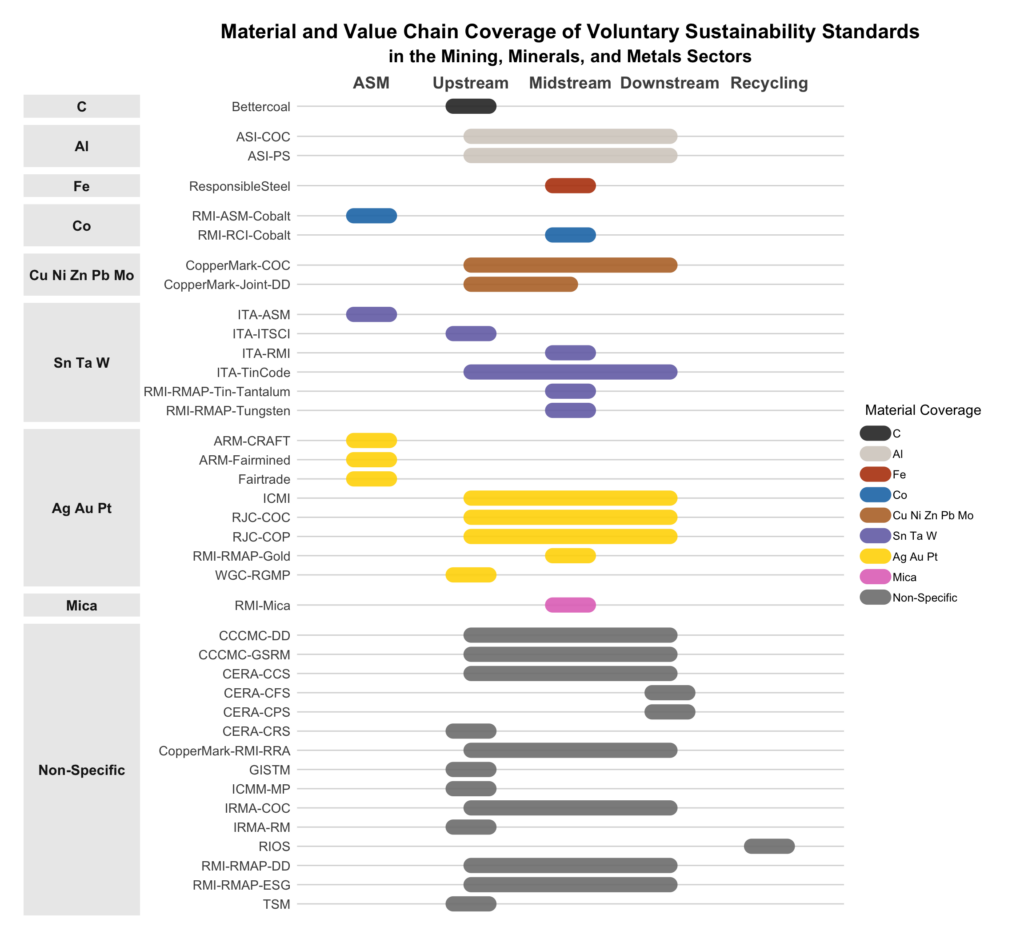
Fig. 2. Development Timeline of Voluntary Sustainability Standards in the Mining, Minerals, and Metals Sectors, each dot represents one publication or achievement of each VSS.
Figure 2 presents the development trajectory of VSS in the M3 sector from 2002 to 2026, based on the publication and revision history of each standard. The timeline identifies four broad phases—initiation, expansion, acceleration, and consolidation—reflecting shifts in governance dynamics, industry practices, and regulatory pressures. This figure helps contextualize how the current landscape has evolved over time and where it is heading.
Fig. 3. Chord Diagram of Cross Reference of VSS in M3, each chord in the diagram signifies a documented instance of shared or comparable requirements between two standards.
Figure 3 maps the interconnections between VSS systems through documented cross-references, equivalency assessments, and alignment efforts. It highlights key standards that act as central reference points within the system, while also showing areas where connections remain limited. The visualization underscores the increasing, but still uneven, coordination among standards and provides insight into the structure of the broader governance network.
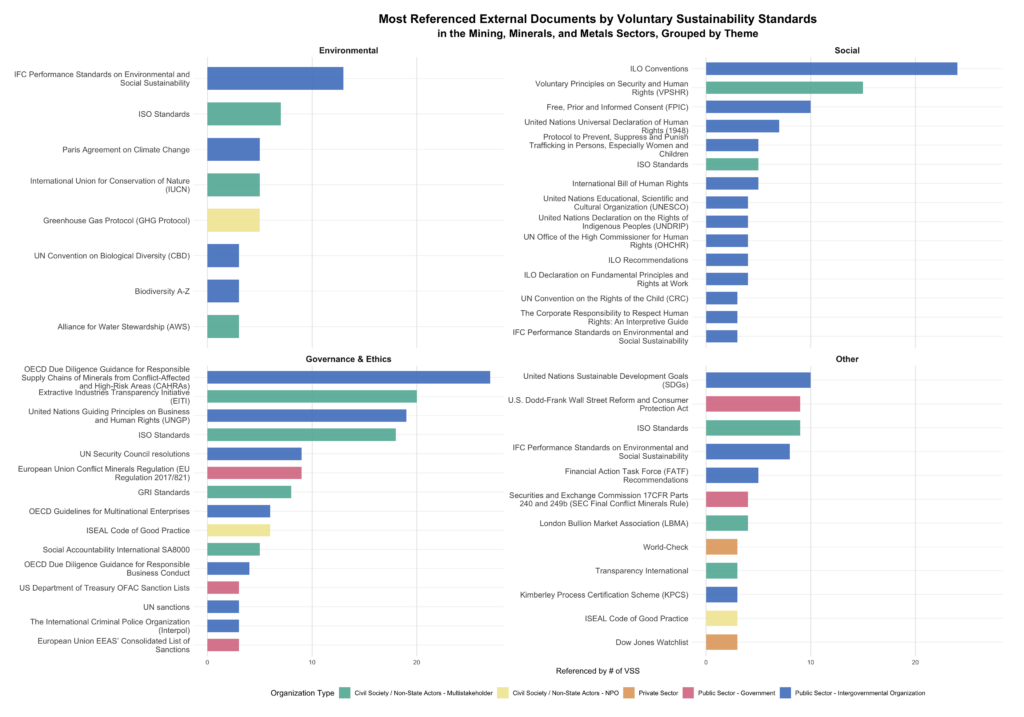
Fig. 4. Most referenced external documents by VSS in M3.
Figure 4 summarizes the external frameworks most frequently referenced by VSS, including international guidelines and standards such as those from the OECD, UN, and ILO. These references demonstrate how VSS draw on established global norms to inform their requirements and enhance credibility. The figure also highlights the thematic distribution of these references across environmental, social, and governance areas, illustrating the broader normative foundations of VSS systems.
Reference: Zhang, C., Nouvel Zurcher, C., Monfort Climent, D., & Young, S. B. (2026). Mapping voluntary sustainability standard systems in the mining, minerals, and metals sectors. Resources Policy, 116, 105922. https://doi.org/10.1016/j.resourpol.2026.105922